
DARCARS Nissan of College Park

Blog / Maintaining Your Nissan

Blog

All Maintaining Your Nissan College Park Nissan Dealer Learn About Nissan Models Tips & Tricks College Park Nissan Service Living in Maryland Nissan SUVs 2023 Nissan Cars Nissan Trucks Buying a New Car Nissan Rogue 2022 Nissan Cars DARCARS Nissan of College Park Service Nissan Armada Nissan Frontier Nissan Kicks Nissan Sentra Nissan LEAF Nissan Murano Nissan Pathfinder Nissan Tech Features Nissan Versa Preventative Car Maintenance Why Buy Nissan Auto Repair Maryland College Park Used Cars Nissan Altima Nissan TITAN Auto Financing in College Park MD Interior Car Care Nissan Accessories Nissan EV Nissan Safety Features Car Electrical Problems Car Engine Overheating Car Financing Nissan Electric Vehicles Nissan Lease Nissan Z Trims and Features 2023 Nissan Frontier Car Tune-Up Car Waxing Custom Nissan Hybrid Vehicles MyNISSAN Rewards Nissan All-Wheel Drive Models Nissan GT-R Nissan Kicks Play Nissan Maxima Nissan Midnight Edition Nissan Performance Nissan Towing Capacity Nissan Warranty OEM Nissan Parts Parts Scratch and Dent Repair Transmission Service Used Nissan Dealership
Getting Car Painted College Park, MD

What to Do If Your Nissan Gets Dented or Scratched in College Park, MD

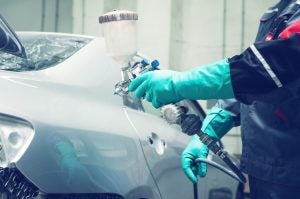
It doesn't matter how carefully you drive: your car is always at risk of car dents and scratches. Whether it's down to another driver's carelessness, a moment of inattention, or just bad luck, accidents do happen, and your paintwork might suffer. Here's why it's important to be prompt and proactive about contacting your Nissan dealer to deal with car scratches and dents. How to Deal with Car Dents and Scratches Identifying Car Dents By looking at the shape and depth of the dent, you can start to understand the extent of the damage and decide on your next course of action. Dents might be: more Small indentations of less than half an inch in depth called dings Round dents, which are large shallow depressions Sharp dents, which taper to a deep inverted point Creased dents, caused by a dragging impact on the car Round dents and dings can sometimes be solved at home using suction, hot and cold treatments to "pop" it back into shape, or by pressing the dent out from the inside in a dentless paint removal. However, dents are recommended to be dealt with professionally, as they can compromise the structural integrity of your car. Solving Car Scratches Even if they seem minor, scratches in your paintwork can lead to serious long-term damage to your car. If the steel frame comes into contact with moisture, it will oxidize. This causes rust, which can spread to other parts of your car and cause further damage through debris and flaking. It also leaves your car exposed to the UV rays of the sun by breaching the clear coat, causing dull and patchy paintwork. Very minor scratches might be solvable with a scratch and paint restore car kit or a scratch remover, although it's important to check your car's paperwork to match the exact color. But for deeper and larger scratches, it's important to schedule an appointment at the dealership as soon as possible for expert retouching and resealing. When to Contact Your Nissan Dealer in College Park, MD for Auto Repair Dents and scratches can make your car less safe and lead to more serious problems that could undermine the resale value of your car. If you can see the metal underneath the paint, if the panels of the car have been misshapen or damaged, or if you're in any way uncertain, the best course of action is to contact your dealership. A dent or scratch on your pristine vehicle is always irritating, but your peace of mind and enjoyment of your car are worth the extra effort of making sure that the problem is solved effectively. For any paintwork concerns, contact us at DARCARS Nissan of College Park to keep your Nissan in perfect shape.
Car Hoses College Park, MD

How Often Should You Get a Car Tune-Up?

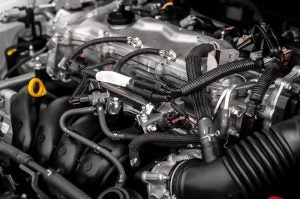
Is your auto in College Park, MD due for a car tune-up? Find out how to tell when these important adjustments are needed. We go over many tune-up tips in this service blog. What Is a Car Tune-Up? In short, a tune-up is basic maintenance on parts of your vehicle that are easily prone to wear and tear. For older vehicles without computer-based fuel injection and distributionless ignition systems, such parts include the carburetor, rotor, and distributor cap. With more modern autos, belts, fluid replacements, hoses, filters, and spark plugs (or other ignition components) are common targets of a tune-up. more Regular tune-ups can help extend the life of your vehicle and optimize its performance. As such, keeping the engine tuned is especially important by taking steps such as cleaning the fuel system. Driving a car where the parts are degrading can ultimately wear down the engine and negatively impact mileage. You may eventually face costly repairs. Now that you know the importance of tune-ups, how often should you get them? The Timing of a Tune-Up Several factors can impact the number of tune-ups required, from the vehicle's age to its make and model. Let's take a closer look at some of the top considerations. Vehicle Type Your manufacturer's recommended service schedule is the best guide for determining when tune-ups are needed. Your vehicle manual will typically provide a certain number of miles before different parts need to be updated or replaced. For example, with preventative scheduled maintenance, vehicles may need engine oil and fuel replacements around every 5,000 miles or 6 months. At 15,000 miles, or 12 months, additional parts like microfilters are replaced while a more comprehensive inspection occurs. If you have an EV or hybrid car, maintenance intervals will likely be longer because fewer parts are involved. With a Nissan vehicle, it’s important to get a multi-point inspection, when it’s suggested by the manufacturer. Driving Conditions in College Park, MD and Beyond Since weather and climate can accelerate wear and tear on your vehicle, these factors can naturally affect tune-up timing. Nissan vehicles are classified as either Schedule 1 or Schedule 2 maintenance. Temperate climates, such as in College Park, typically fall under regular Schedule 2 maintenance. More severe climates with inclement weather or drastic temperature changes, on the other hand, will need more frequent tune-ups and maintenance, usually in roughly half the time of a typical tune-up. Vehicle Age As the miles accumulate on your vehicle, parts will falter and eventually fail. Tell-tale signs a tune-up is in order include a significant drop-off in gas mileage, stalling or other performance deficiencies, or strange noises emanating from the engine. If you have an old vehicle (pre-1996), these signs may be your only indication of problems. And they will likely necessitate frequent tune-ups. Newer vehicles will have better barometers via the on-board diagnostics system. This system will alert you with visual and sometimes audio warnings to engine, brake, or other parts problems. If you receive any alerts, you should not delay a tune-up. Is It Time for a Tune-Up in College Park, MD? Contact the service department of DARCARS Nissan of College Park for expert inspection and maintenance that'll help your fine-tuned ride stand the test of time.

Nissan Maintenance College Park, MD

Why Is Preventative Car Maintenance So Important?

Your car is more than just a way to get around. It's a major investment, transportation to work or school, and your ticket to travel. Your car takes care of you, so you need to care for it, too. If you're someone who only takes your car to the mechanic when it needs extensive repairs, here are reasons why you may want to consider prioritizing preventative maintenance. From Your College Park, MD, Nissan Dealer: What Is Preventative Maintenance? Simply put, it's all about taking care of your car before things start to go wrong. This can include regular oil changes, tire rotations, and brake inspections, among other things. By staying on top of these tasks, you can catch small issues before they turn into big problems, ultimately saving you time and money in the long run. more It Can Save You Money First of all, properly maintaining your car can save you some serious cash. It might seem like a hassle to take it in for regular checkups, but by catching small problems before they become major issues, you can avoid costly repairs down the line. Replacing a worn-out timing belt is a heck of a lot cheaper than fixing a damaged engine caused by a broken timing belt. That's not all, though. With regular maintenance, you can actually improve your car's fuel efficiency and performance. Changing your oil and air filters regularly can improve your car's gas mileage and reduce emissions. Plus, a well-maintained engine can provide smoother acceleration and better handling. It Can Save You Time Proper maintenance can also save you time. If your car breaks down unexpectedly, you'll have to take time off work or miss class to deal with it. And depending on the severity of the issue, you could be without your ride for days or even weeks. By staying on top of maintenance, you can reduce the chances of unexpected breakdowns and keep your car running smoothly. It Can Keep Your Car Safe Last but certainly not least, preventative car maintenance can keep you safe on the road. Worn-out tires, faulty brakes, or a malfunctioning steering system can be a recipe for disaster. Inspecting and repairing these components regularly can reduce your risk of your vehicle failing. Schedule Nissan Maintenance in College Park, MD Today Don't wait until something goes wrong to take action. Your car (and your wallet) will thank you for it! Preventative car maintenance is crucial for anyone who wants to keep their car running smoothly, save money, and stay safe on the road. If you want to take the best care of your car, contact DARCARS Nissan of College Park today and schedule your next service!

Fixing Flat Tire College Park, MD

Did You Get a Flat Tire in College Park, MD? Here’s How to Change It

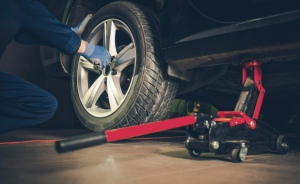
Nobody ever wants to deal with a flat tire in the middle of a busy day, but it happens. And it's important to know how to get out of that sticky situation quickly and safely. This is especially true if you're stuck on the side of the road at night somewhere in College Park, MD. Driving in MD: How to Change a Flat Tire The first step is to find a safe location. Pull off the road as far as possible, preferably onto a flat stretch of pavement. If you're stuck on the highway, try to make your way to an exit or rest stop. This might mean ruining your tire, but it's much safer than trying to change a flat on the highway. Once you're in a safe spot, make sure your emergency brake is engaged and place blocks or wedges behind the wheels that are still inflated. This will help prevent your car from rolling away while you work. more Remove the Flat Next, you'll want to loosen up the lug nuts on the tire. You can spray them with penetrating oil if you are having a hard time getting them to move (WD-40 works well). This will allow the nuts to roll a little bit easier. Once they are loose, jack up the vehicle to raise it off the ground. Now you are ready to remove the lug nuts and take off the flat. Set it aside for now so you can install the spare. Mount the New Tire Grab your new tire and carefully mount it on the wheel. This is an important step, as you want to make sure that it is properly aligned. When that's done, tighten the lug nuts in a star pattern and lower the car back onto the ground. Now that the tire is installed, you want to make sure it is adequately secured. This means checking if your lug nuts are tightened correctly (using a torque wrench). If not, go ahead and tighten them. Take Your Flat to a Trusted Tire Shop in College Park, MD You want to take your flat to a local shop as soon as possible. These folks can patch up or replace the tire, so you can be prepared for the next time this unfortunate incident happens again. However, you want a quality repair job, or you could be back where you started. Overall, changing a tire isn't too difficult – especially if you know what you're doing. Just remember to stay safe and get help from a qualified repair shop when necessary. And that's where we come in. Schedule a tire service at DARCARS Nissan of College Park today if you need help with a flat. We'll get you back on the road quickly and safely.

Car Alternator in College Park, MD

Top 8 Signs You Need an Alternator Repair in College Park, MD

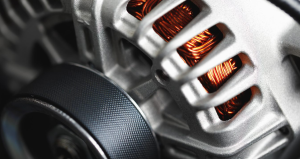
The alternator is one of the most important parts of your vehicle, responsible for generating electrical power to keep your battery charged up and your electrical systems functioning correctly. If it breaks down, the consequences can be very problematic, which is why it's so important to seek out alternator repair if you notice that something might be wrong. Here are some of the most common warning signs to watch out for as a driver in College Park, MD. Warning Light Warning lights make it clear when something isn't quite right with your vehicle, and there's a specific light that should show up if the alternator is failing in any way. Look out for a light that reads 'ALT' (this stands for alternator) or 'GEN' (this stands for generator) or appears in the form of a battery. more Frequent Stalling Your car needs a steady supply of electricity to run smoothly, and if the alternator isn't working correctly, you may notice your vehicle stalling from time to time for no obvious reason. Unreliable Starting Your vehicle needs sufficient electricity to start up, too. The alternator plays a key role in this, helping to power the spark plugs that get your engine running. When the alternator starts to break down, your car can be a lot harder to start. Weak Headlights The alternator plays a vital role in keeping your headlights powered up to help you see clearly while driving in dark and dimly-lit areas. When the alternator isn't working at full capacity, the headlights may not have enough power to function correctly. This can result in headlight beams that seem weaker than usual or randomly flicker while switched on, and it can be very dangerous to drive with unreliable headlights. Failing Features The headlights aren't the only part of your car that relies on electricity. You might also have power windows, locks, a car radio, air conditioning, or other electrical features that can start to struggle, fail, or behave strangely when the alternator needs repairing. Strange Smells If you smell something strange in your vehicle, there are many different components that could be to blame. The alternator is one of them, as broken alternators sometimes give off a smell like burning rubber. Odd Noises As well as strange smells, you should also listen out for odd noises in your vehicle. A broken alternator can sometimes cause a rattling sound around the engine area. Dead Battery The alternator is what helps to keep your car's battery powered up. Batteries will wear out eventually, and the alternator might not always be to blame, but if your battery has died unusually quickly, this could be a sign of alternator issues.   As we can see, there are a lot of possible issues that can arise when an alternator begins to break down. If you notice any of them, getting your car repaired as quickly as possible is vital to avoid further complications. You can easily schedule a service at DARCARS Nissan of College Park where our expert technicians will handle any alternator repair for you.

Car Engine Leak in College Park, MD

Is Your Car's Engine Leaking in College Park, MD?

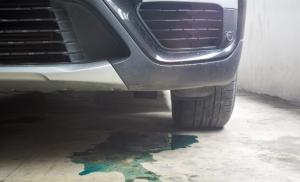
Motor oil keeps all the moving parts of your engine properly lubricated. Without adequate oil, an engine will rapidly overheat and might even seize up altogether. Keep an eye out for the following six signs of a leak. If you ever notice your engine leaking oil, visit your nearest Nissan dealer to have it repaired right away. Oil Is Puddling Under Your Car The most obvious sign of an oil leak is when you see oil pooling under your car while parked. Motor oil is a golden yellow color when fresh. This fades to caramel, then tan, then dark brown as it ages. more Any fluid pooling under your car is a sign of trouble. But if that fluid is yellow or brown and near the front of your vehicle, then it might well be a motor oil leak. Use Cardboard to Check If you have a dedicated parking space, it's easy to notice any leaks coming from your car. But drivers who change parking locations from day to day don't necessarily find it so easy. If you ever suspect a leak, you can leave a piece of cardboard under your car and check it for fluid stains when you return. Low Reading on Your Oil Pressure Gauge The oil pressure gauge on your dashboard will also let you know if your engine's leaking oil. Healthy oil pressure for most Nissan cars is between 25 and 65 pounds per square inch (PSI) while the engine's warm. If this pressure drops below 25 PSI, it’s possible that you might have a leak. Ticking or Knocking Sounds From Your Engine An engine that loses lubrication will start to emit strange ticking and knocking sounds. You'll notice these sounds most clearly while resting in idle. Ticking or knocking means the valves and valve lifters are beginning to struggle. If you hear it, have a trusted technician take a look as soon as you can. Smoke Rising From Your Engine When motor oil starts to leak, it sometimes drips onto extremely hot parts of the engine or the exhaust manifold. It will then burn up very quickly, creating smoke. Needless to say, never ignore any smoke seeping from under your hood. You Can Smell Burning Oil When leaking oil starts to burn, you'll often smell it. Burning oil smells unpleasant and very different from your usual car smells. When oil burns in this way, you might also hear an accompanying sizzling sound as it cooks on the hot metal parts of your car. Oil Level Consistently Low When suspecting a leak, you can always pop the hood and use a dipstick to measure your motor oil level. Motor oil tends to diminish gradually over time, even without a leak. But if your oil level is persistently lower than you think it should be, you may well have a leak. First Places a Nissan Dealer Checks for Leaks Here's how a technician at your local dealership will check your vehicle for engine leaks. You can try it yourself before you take your car in.   They'll first check the oil pan seals under your engine, which is where the majority of leaks originate. They'll also check the valve cover gaskets, the timing cover seal, and the oil pan drain plug. More often than not, one of these is the culprit. Get directions to DARCARS Nissan of College Park now, or schedule a service with us today to have your motor oil checked and topped up. We take pride in providing excellent vehicles and customer service.

Car Belt in College Park, MD

Time to Replace a Car Belt in College Park, MD?

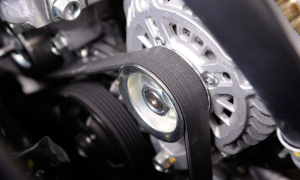
Apart from powering the wheels of your car, the engine also powers many accessory parts, such as the alternator, the coolant pump, and more. The power is transferred to these accessories using a car belt, otherwise known as a serpentine belt. As durable as these belts are, over time they can begin to crack, fray, slip, and even snap. Here are six signs that you might need to visit your trusted Nissan dealer in College Park, MD for a new serpentine belt. Malfunctioning Accessories Since the only purpose of your serpentine belt is to power five essential accessories, if any or all of these accessories break down, you can guess the cause of the problem: more Alternator Your alternator uses the engine's power to recharge your battery. So if you have problems with your electronics, and your battery isn't recharging properly, check your serpentine belt. Coolant Pump This pump pushes coolant from the radiator through your engine and back into the radiator. If the pump loses power because of a slipped belt, your engine will begin to overheat. So it's important to fix it promptly. Power Steering Pump Power steering allows you to turn your car's wheels with relatively little pressure applied to the steering wheel. If steering suddenly becomes more difficult, then your power steering pump might have lost power. Make sure to check your serpentine belt. Supercharger The supercharger increases the pressure of air going into the fuel-air mixture of your engine's combustion chambers. If the supercharger begins to fail, you'll notice your engine's power dropping. Air Conditioning Compressor This compressor is essential to the functioning of your air conditioning. So if you start to get a little too hot, your serpentine belt might be at fault. Squealing Noises A slipping belt often creates squealing sounds as it struggles with the force of the crankshaft and pulleys. As soon as you hear this sound, pull over and pop your hood. You should be able to see if the belt has slipped, and you might even be able to push it back into place. Otherwise, have a technician do it for you. Frayed or Cracked Belt When examining your belt, pay attention to the rubber at its edges. If you see that the rubber is cracked or frayed, then the belt is structurally weakened. You'll need to replace a cracked or frayed belt before it snaps. Worn Grooves Rows of V-grooves on the inner side of a serpentine belt act as notches, allowing it to grip matching grooves on the crankshaft and pulleys. When these grooves begin to wear down, it can soon lead to slippage. If you suspect your belt's grooves are a little worn down, you can either measure them with a specialist tool called a belt wear gauge, or you can have a technician do it for you.   To have an experienced professional examine, repair, or replace your serpentine belt, visit or schedule a service at DARCARS Nissan of College Park, where our technicians are the best for the job. Ready to learn more? We have many auto-related blogs ready to be explored today!

Tire Tracks in Snow in College Park, MD

5 Ways You Can Protect Your Car From Maryland's Cold Weather

Winter is on its way, and that means it's time to start thinking about how to protect your car from the cold weather. If you live in Maryland, you know that our winters can be brutal, so it's important to take the necessary steps to make sure your car is ready for the snow and ice. Here are recommendations from us here in College Park, MD that should help to get your car ready for winter weather. Check Your Tires Make sure your tires have plenty of tread and are inflated to the proper pressure. This will help you avoid flat tires and blowouts when driving in winter weather. If you're not sure about the appropriate pressure, consult your car's owner's manual or read our blog " How to Check The Tire Pressure On Your Car " today! more Go a step further and get yourself some winter tires. Winter tires are designed for increased traction in snow and ice, so they can really come in handy when the roads are slippery. Keep it Clean Salt and other chemicals used to de-ice the roads can take a toll on your car's paint job and undercarriage. Be sure to wash your car often during the winter months to remove any build-up of salt and other debris. Visit Us in College Park, MD Schedule a winter service package from your Nissan dealership here in Maryland. We'll set you straight with an oil change, antifreeze flush, and tire rotation.   Changing your engine oil more frequently during winter can help to prevent engine sludge caused by the weather. We'll switch you out to an oil optimal for winter weather conditions. Get a Kit Keep an emergency kit in your car. This should include things like a blanket, snacks, water, a first-aid kit, and a flashlight. It's also a good idea to keep a bag of sand or kitty litter in the trunk in case you get stuck in the snow. Check Your Windshield Wipers Make sure your windshield wipers are in good condition and ready to work properly. You don't want to be caught in a rain or snowstorm with wipers that can't handle the job. Make sure you have an ice scraper on hand, too, so you can clear your windshield of any frost or ice.   A good car cover can also help to protect your car from the elements. If you don't have a garage, consider investing in a cover to keep your car clean and dry during the winter months.   These are just a few of the things you can do to help prepare your car for winter weather here in Maryland. By taking these steps now, you should be able to avoid costly repairs and breakdowns when the temperatures start to drop. Schedule your service appointment with DARCARS Nissan of College Park today. We'll make sure your car is ready to take on anything the winter weather throws your way.   Image by Pixabay

Car Spark Plugs in College Park, MD

Does Your Car Need New Spark Plugs in College Park, MD?

Is your car giving you trouble lately? Does it feel like it's not running quite right? Chances are, your spark plugs might need to be replaced. Here are a few signs that it might be time for a new set of spark plugs. If these symptoms sound familiar, take your car to your local Nissan service center in College Park, MD, as soon as possible! Trouble Starting If it takes longer than usual for your engine to turn over, or if it sounds like it's struggling to start, it's a good indication that the ignition plugs need to be replaced. Another key sign is if your vehicle starts fine in warm weather but has trouble starting in cold weather. more This is because the spark plugs need to create a spark to ignite the fuel and air mixture in the engine, and cold weather can make it more difficult to create a spark. If you notice either of these issues, it's best to take your car to a mechanic. The Engine Misfires If the engine in your vehicle is misfiring, you might need new plugs. If your spark plugs are worn out, it can cause the engine to misfire, run rough, lose power, and decrease fuel efficiency. In some cases, it can even lead to engine damage. If you suspect your ignition plugs may be worn out, have them inspected by a professional mechanic. Poor Gas Mileage The quality of your spark plugs directly impacts your car's gas mileage. If you notice that you're getting less mileage, it may be due to deteriorated ignition plugs. As they age, the space between the plug electrodes can expand or decrease.   This causes the spark plugs not to fire or fire erratically, which leads to increased emissions, thus wasting fuel. When this happens, your car's engine has to work harder to burn fuel, resulting in poorer gas mileage. Replacing your spark plugs is an easy and affordable way to improve your car's gas mileage. Slow Acceleration When you press the gas pedal, you expect your car to speed up accordingly. However, if your vehicle lags or takes longer to reach the desired speed, it could signal you need new spark plugs. However, additional elements, such as faulty oxygen sensors, a malfunctioning fuel pump, or dirty fuel injectors, can result in a delayed reaction as well. So be sure to have your car inspected by a skilled mechanic to find the actual cause of the problem.   If you're unsure whether your car needs new ignition plugs, don't worry! Schedule a service at DARCARS Nissan of College Park. We would be more than happy to take a look and see what might need to be done to get your engine running as smoothly as possible.   Image by Pixabay

Nissan 370Z in College Park, MD

How Often Do Cars Need to Get Car Emissions Checks in College Park, MD?

The beautiful city of College Park, MD, is known as a center for creativity and innovation, with the University of Maryland located at its heart. In addition to their prowess in education, they are also famous for lush trees and clean air. Keeping the city this well-maintained requires effort from everyone, and keeping car emissions low is part of that. This list will break down everything you need to know about an emissions check. Why There Is a Legal Mandate Driving offers us loads of benefits, like independence and the ability to get where we need to be without having to rely on someone else's schedule, but unfortunately, vehicle usage creates dangerous exhaust gases. Testing for pollutants and the requirement of catalytic converters were both created to help mitigate those risks. more The good news is that it's not that hard to meet the threshold for passing the test. Simply having an up-to-date converter and a well-functioning fuel system will most likely result in your vehicle being cleared to return to the road. Required Frequency of Checks and Types of Tests The frequency of testing, regardless of the year of your vehicle, is going to be once every two years. That said, the type of testing will differ depending on the year your car was made. Vehicles manufactured between 1975 and 1995 will undergo a gas cap test to ensure the seal is tight while vehicles from 1996 onwards will be subject to an onboard diagnostic test. All vehicles, regardless of year, will also be required to pass a tailpipe test. The facility you're testing at will place a probe on your exhaust pipe while your car is idle to determine if the levels of oxygen and carbon dioxide are within an acceptable range. What You Can Do To Pass a Check As mentioned earlier, the best thing you can do to pass an emissions test is to have your catalytic converter clean and operational. This device is used to trap toxic molecules and convert them with a precious metal into more manageable forms. The component requires some level of upkeep, however, as the inner films can become clogged with deposits over time. If the converter is damaged, you'll need to visit a dealer to have a replacement installed.   Maryland has set laws in place, like every other state, to keep emissions down so we can all have a protected atmosphere and breathable air. Testing is mandatory for keeping your vehicle legal, and the maintenance of certain fuel system components is critical to passing your evaluation. Visit DARCARS Nissan of College Park today or schedule a service online for a general maintenance check-up where our service technicians will ensure your emissions are cleared.

Catalytic Converter in College Park, MD

Does Your Nissan Need a New Catalytic Converter in College Park, MD?

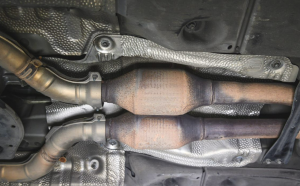
The catalytic converter in your Nissan converts the dangerous byproducts of combustion into harmless chemicals. This process helps to reduce pollution from exhaust smoke and enables your car to run more efficiently. The converter can get blocked or damaged over time, and you'll need a repair or replacement. As your trusted dealer and certified Nissan service center we'd like you to know some signs that we need to fix your converter. Sulfur Smells Fuel contains sulfur compounds, and the combustion process changes some of these compounds into hydrogen sulfide. Hydrogen sulfide is a colorless and toxic gas that smells like rotten eggs. When your converter is working as it should, hydrogen sulfide is converted into harmless sulfur dioxide. The conversion process uses chemical reactions, pressure, and extreme heat for chemical conversion. more If your converter is damaged, it won't convert hydrogen sulfide and other toxic chemicals. Excess hydrogen sulfide will waft into your cabin, and you'll also smell the stench of this chemical from the exhaust. Our technicians will check your converter and repair or replace it. Once your converter is working, the rotten egg smell should disappear. Check Engine Light Your check engine light provides a warning that something isn't working correctly in your engine. The source of the problem isn't immediately clear, as the light can illuminate in response to various possible issues. If your converter isn't working correctly, two sensors that can trigger this light are the oxygen sensors and the fuel-air sensor in the engine.   The oxygen sensors in the exhaust monitor the amount of oxygen in the exhaust smoke. The fuel-air sensor in your engine monitors the ratio of fuel to air. If your converter is blocked, the exhaust gases will flow back into your engine and increase the amount of fuel in your engine. A lack of oxygen in the exhaust smoke will trigger the oxygen sensors. We'll investigate and fix the cause of the check engine light. Rattling Noises The converter is a relatively small component, and a large surface area is required for gas conversion. The inside of the converter is composed of a honeycomb structure that provides the needed surface area. A honeycomb is strong, but it becomes brittle if it's damaged. If your converter is damaged, cracks can appear in the honeycomb, and pieces can break off.   The broken parts of the honeycomb will rattle around in the converter as your car moves. They will also cause additional damage to the inside of the converter. Our technicians will investigate and replace the converter if it's broken.   If you experience any of these symptoms of a converter problem, call our DARCARS Nissan service center at 301-969-4431 or click here to schedule a service appointment at a time that's convenient for you.

Car Brake Service in College Park, MD

How Often Should College Park, MD, Drivers Replace Their Brake Pads?

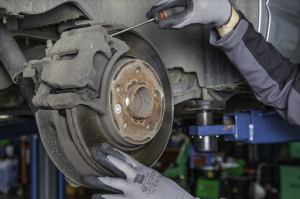
Your car's brake pads press against the rotor to create the required friction to slow down and stop your vehicle. Eventually, the pads wear down, and when they get too thin, they don't work properly, and driving your Nissan will no longer be safe. Below are ways to tell how often College Park, MD, drivers should replace their brake pads to be safe on the road. Mileage How long brakes last varies depending on the type of vehicle and the driver. The road conditions and drivers' driving habits significantly affect how often the pads should be replaced. If you drive your car mostly in urban areas in heavy traffic and use your brakes a lot or regularly brake hard, the pads will wear down much faster, and you'll have to replace them more often. more Generally, if you drive in stop-and-go traffic, it's best to replace your pads every 30,000 to 35,000 miles before they wear down too much. If you don't drive your car a lot and mostly drive in rural areas or on highways, your pads can last up to 70,000 miles or more. Mileage is not the only way to tell it's time to replace your brakes. There are also specific warning signs that will alert you when the pads are worn and need replacing. Pad Thickness As you drive and use your brakes to slow down and stop your car, the pads start to wear down. New pads are between eight to twelve millimeters thick. The pads are still acceptable at a thickness of 6.4 millimeters, but anything below that will influence your braking ability. When the pads wear down to 3.2 millimeters, it's best to replace them immediately. When they are too thin, it severely impacts your stopping power and your safety behind the wheel. High-Pitched Squealing Sounds Most pads have a small piece of metal that makes a high-pitched squealing sound when the pads are worn down and getting too thin. When you hear the sound, replace the pads as soon as possible. Grinding Noises If you keep driving with worn-down pads, you'll hear an awful grinding noise from the metal of the pads scraping against the rotors. The scraping will lead to extensive damage to the rotors and high repair costs. Pedal Vibrations Pads that are excessively worn or contaminated with oil or dirt can cause vibrations. You'll feel the vibrations through your brake pedal when you apply the brakes. Solve the pedal vibration issue as quickly as possible by replacing the pads. Slow Brake Response Worn pads affect your braking ability when you step on the brake pedal. Your car will be slow to respond, and it will take much longer than usual to come to a complete stop.   If you experience any of the above braking issues or your pads look worn and thin, it's time for new pads. Schedule a service at DARCARS Nissan of College Park today for an affordable pad replacement by our certified Nissan service center to ensure you've got the braking ability you need to keep you safe on the road.

Contact Us

Fill out this form below and we'll contact you shortly
*Required Fields